FutureSox: Chicago White Sox 2026 Pre-season Top 30 Prospect List 16-30

The FutureSox 2025 mid-season Chicago White Sox top 30 prospect list was derived from the top 30 lists compiled by writers and staff members here at FutureSox. Each prospect was assigned a number from 1-30 based on their spot on each individual top 30, and then added up to come to the ranking they got on the collective list. Noah Schultz received 180 points and was the #1 prospect on that list. We will follow the same process for the pre-season list below. The White Sox have added talent throughout the offseason, including via trades and the international market. We have eight writers contributing to this version of the list.
Players who have exceeded rookie status will not be present on this list. 50 innings pitched, 130 at-bats, or 45 days on an active, big league roster is the exclusionary criteria for rookie status in Major League Baseball. Colson Montgomery made his big league debut and exceeded prospect status in 2025, in addition to the names who previously departed as well. Right-handed pitcher Gage Ziehl and infielder Bryan Ramos were traded from the organization.
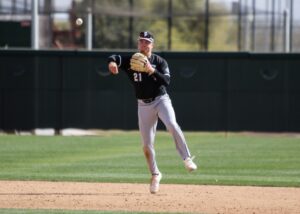
16. Kyle Lodise, SS, (Previous: 13; -3)
- Drafted 3rd round in 2025
Coming out of the college ranks with a strong offensive track record, Lodise brought a polished approach after breaking out at Georgia Tech following his time at the Division II level. He showed the ability to impact the baseball while maintaining a disciplined approach, carrying that profile into an aggressive assignment to High-A to begin his professional career. The early results were uneven, but the approach remained intact, and he flashed his ability during stretches where the timing clicked. The 5-11, 180 pounder has shown he can handle velocity and use the entire field, though adjusting to more consistent secondary pitching will be an area to watch as he settles into pro ball.
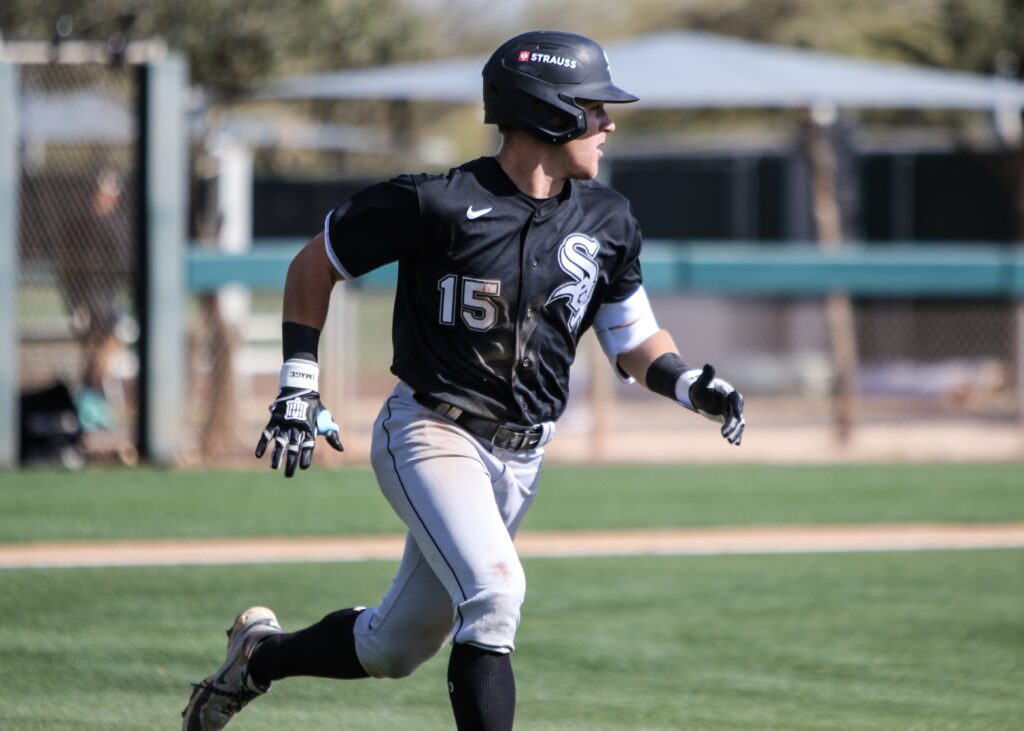
Defensively, the 22-year-old has the instincts and actions to remain on the dirt, with the ability to handle shortstop while also offering flexibility across the infield. He’ll split time with Caleb Bonemer at third and short. His overall profile points toward a steady contributor rather than a tools-driven player, with value tied to his feel for the game and ability to impact at-bats. He could follow a similar trajectory to Sam Antonacci entering the system, with a chance to move quickly if the bat translates. A return to High-A or an early move to Double-A will give a better indication of how his offensive profile holds up against more advanced pitching.
17. Mathias LaCombe, RHP, (No Change)
- Drafted 12th round in 2023
LaCombe is someone who could be much higher on this list at mid-season. The 23-year-old posted a 2.52 ERA in 35.2 innings in the ACL last year and followed that up with a 4.08 ERA in Low-A. The 6-2, 185-pounder compiled 73 strikeouts with 24 walks in 53 total innings last season. The former 12th-rounder is expected to be in the starting rotation for the Winston-Salem Dash in High-A. An interesting case could be made to shift the righty to relief in anticipation of Rule Five protection in December, but we’re not at that decision point yet.
The White Sox signed LaCombe for $450K (5th round money) after he struck out 97 hitters in 67.1 innings for Cochise Community College in 2023. The French native missed most of his first two seasons as a professional, but there’s a giant up arrow next to his name. LaCombe’s fastball sits 93-95 mph and touches 98 with carry and armside run. He also shows a low-80s sweeping slider and a mid-80s splitter. He uses a low arm slot and low release angle, which makes him tough to hit as well.
18. Jeral Perez, 2B, (Previous: 16; -2)
- Acquired from Los Angeles Dodgers in 2024
Perez has quickly carved out a clear offensive identity built around power production. Playing the entire season in High-A at age 20, he posted a 124 wRC+ while emerging as one of the more consistent power bats in the system. The right-handed hitter generates strong bat speed and looks to do damage to the pull side, showing the ability to leave the yard despite a smaller frame. There is an aggressive element to the approach that can impact his on-base numbers, but he has shown the ability to adjust within at-bats and make enough contact to keep the profile afloat.
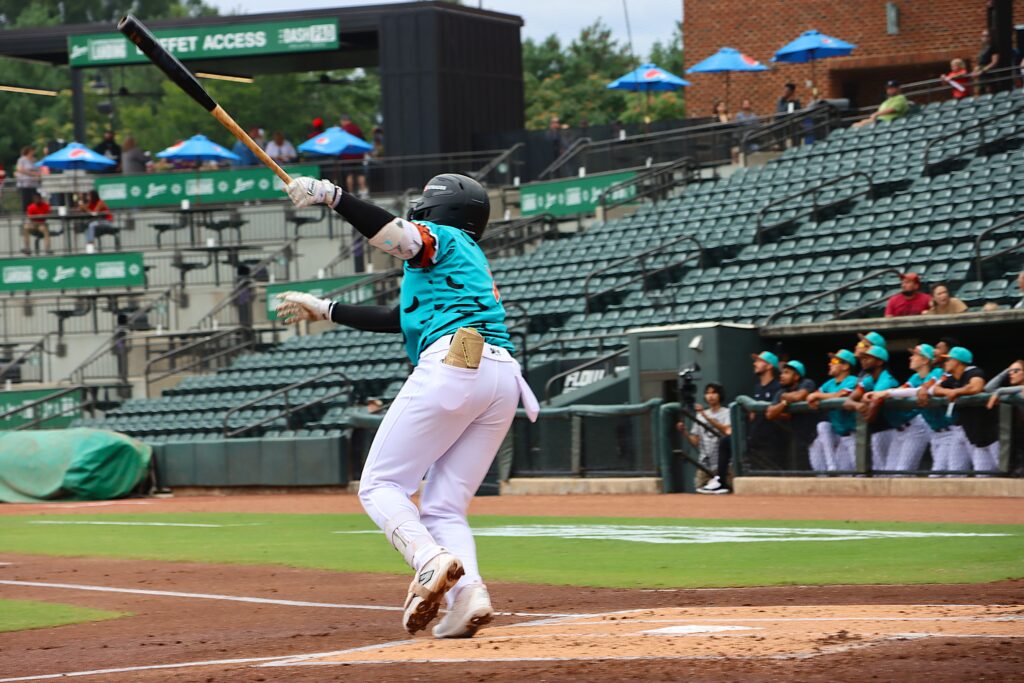
Defensively, Perez has settled in more comfortably on the infield dirt, with second base looking like the most natural fit moving forward. The overall profile points toward a bat-driven role, with the offensive output carrying the value as he climbs the ladder. If the power continues to translate against better pitching, there is a path to everyday at-bats, though a more realistic outcome could mirror a Lenyn Sosa-type profile with offensive impact from a utility role. Coming off an impressive second half, a move to Double-A should be next, where his approach and power will be tested against more advanced arms.
19. Blake Larson, LHP, (Previous: 18; -1)
- Drafted 2nd round (Competitive Balance B) in 2024
Larson is another former member of the franchise’s Area Code Teams that has gone on to sign with the White Sox. The 20-year-old inked for $1.4 million as a competitive balance round B selection in 2024, and he pitched in fall instructional league in that same year. The 6-2, 180-pounder is a former Iowa prepster who transferred to Florida powerhouse IMG Academy for his senior season.

The southpaw missed the 2025 season while recovering from Tommy John surgery, but he has the potential for two plus pitches with a fastball up to 96 mph that shows run and sink and a high-spin, low-80s slider to go with it. Larson has to develop his changeup to use as a third pitch, and he has a history of command and control struggles due to an extreme low slot delivery. He has added significant strength while he’s been out, and the White Sox are excited about his progress. He should finish the season in Low-A.
20. Landon Hodge, C, (Previous: 19; -1)
- Drafted 4th round in 2025
Another high school commit pulled away from LSU in the 2025 class alongside Jaden Fauske. Hodge represents the type of up-the-middle athlete the organization has prioritized under the current regime. The left-handed-hitting catcher brings a strong athletic base with the ability to remain behind the plate, supported by a solid arm and natural feel for the position. He moves well for a catcher and shows the traits needed to handle a pitching staff, while his offensive profile is built more around contact and approach than present power. There is still some swing-and-miss in the profile, but the foundation gives him a chance to develop into a more complete hitter over time.
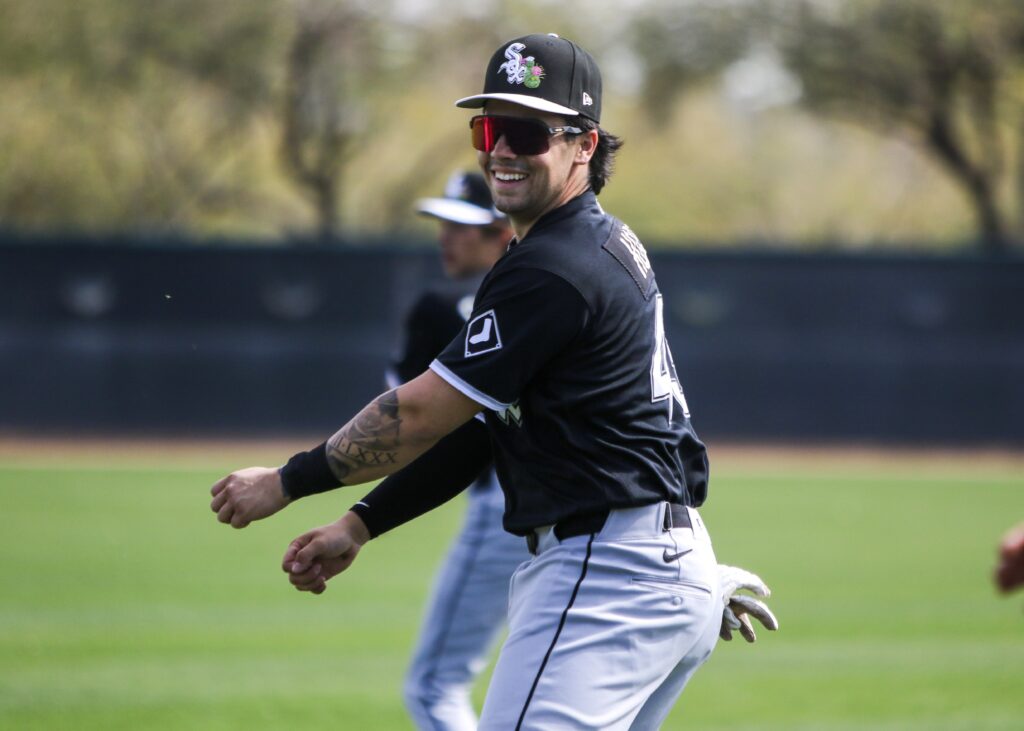
Physically, Hodge has already begun to add strength since the draft, which will be key to unlocking more impact at the plate as he continues to develop and refine his swing. He is expected to split time behind the plate at the complex, and his progression will depend on how quickly both sides of the game come together against professional pitching. Catchers typically require a longer timeline, but the combination of athleticism and defensive ability gives him a stable floor. If the bat continues to trend in the right direction, Hodge has a chance to grow into a valuable piece within the system.
21. Aldrin Batista, RHP, (Previous: 14; -7)
- Acquired from Los Angeles Dodgers in 2023
Working from a lower arm slot that whips through release, Batista creates a deceptive look that helped drive his success before an early-season stress fracture in his throwing elbow. When healthy, the 22-year-old has shown the ability to hold a rotation spot and consistently miss bats while limiting damage across multiple levels. The right-hander operates in the mid 90’s and leans on a quality changeup, with a slider that gives him another option to disrupt timing. The delivery adds a unique element to his profile and allows the entire mix to play up against hitters. There is still a path to remain in a starting role, but a move to the bullpen could be in play if the organization looks to accelerate his timeline, where his velocity and overall stuff may take a step forward in shorter outings. If healthy, the 6-2, 185 pounder still has the traits to emerge as one of the more intriguing arms in the system.

22. Shane Murphy, LHP, (Previous: 25; +3)
- Drafted 14th round in 2022
Murphy put together one of the most effective seasons in the system last year and forced his way into the conversation as upper-level depth. The left-hander logged a heavy workload across multiple levels and consistently limited damage, finishing with a 1.66 ERA and one of the lowest WHIP marks in the minors. The 6-5, 210 pounder does not overpower hitters, working around 90 mph with his fastball, but he succeeds by filling the zone and keeping hitters off balance with a deep mix. The 25-year-old carried that approach into Triple-A, where his ERA remained strong at 2.45 despite a higher FIP, pointing to a profile that relies on execution more than pure stuff. Murphy is expected to begin the year in Birmingham and could work his way back to Triple-A, with a chance to reach Chicago as a bullpen option in the mold of a Tanner Banks-type arm if the results hold.
23. Juan Carela, RHP, (Previous: 29; +6)
- Acquired from New York Yankees in 2023
After missing the 2025 season while recovering from Tommy John surgery, Carela enters the year looking to pick up where he left off as a reliable upper-minors arm. Before the injury, he handled a full workload across High-A and Double-A and showed the ability to miss bats while keeping runs in check. His arsenal is built around a fastball that plays in the low to mid-90s and a slider that serves as his most effective weapon, with additional offerings that give him a workable mix. The overall profile leans more toward pitchability than overpowering stuff, and his long-term role will depend on how well he can locate and sequence coming off the layoff. Carela is expected to return to Double-A once healthy, with a chance to move quickly, in multiple roles if he regains form.
24. Gabe Davis, RHP, (Previous: 28; +4)
- Drafted 5th round in 2025
Standing at 6-foot-9, Davis is one of the more physically imposing arms in the system and brings a power profile the organization is willing to bet on. Injuries and inconsistency limited his workload in college, but the raw traits remain enticing with a fastball that sits in the mid 90’s and has reached triple digits. The slider flashes as a true swing-and-miss pitch when he is in sync, while the changeup remains a work in progress. The challenge will be repeating his delivery and throwing enough strikes to allow the stuff to play consistently. There is still a path to starting if things come together, though the most realistic outcome may come in a relief role where his velocity and breaking ball could play up in shorter outings. Davis has yet to log innings in the system, but the upside is tied to how much of the raw ability can be refined moving forward.
25. Ely Brown, OF, (New)
- Drafted 12th round in 2025
One of the most underrated prospects in the system currently, Brown signed for $175K after being selected in the 12th round as a draft-eligible sophomore last July out of Mercer. The 21-year-old is a table setter type who hits left-handed and plays center field. The 6-0, 180-pounder hit .317/.417/.347 in Kannapolis with a 130 wRC+ in 27 games. The White Sox were attracted to the speed, contact rates, and in-zone decision-making with advanced zone control as well, but Brown has added mass and has launched some balls on the back fields this spring as well.
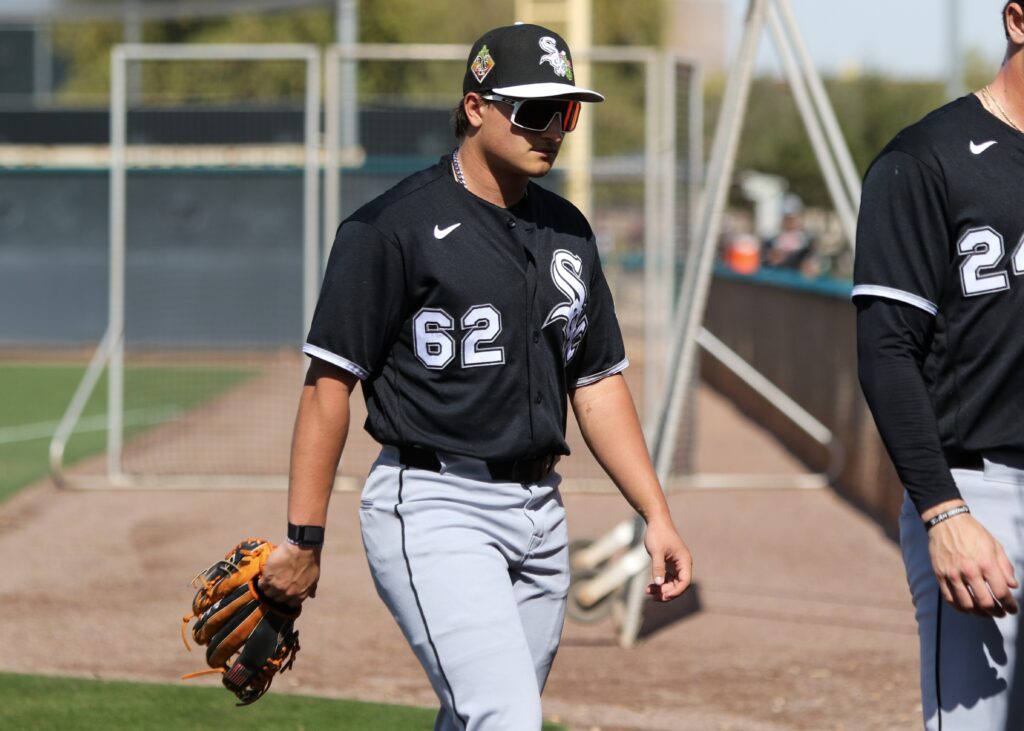
26. Samuel Zavala, OF, (New)
- Acquired from San Diego Padres in 2024
Still just 21-years-old, Zavala brings a more established profile than most players in this range, though there are still clear areas to refine. He spent another full season in High-A and showed signs of progress at the plate, finishing with a 122 wRC+ as a 20-year-old while trending in the right direction over the second half. He shows a strong feel for the strike zone and is comfortable working counts, but at times that approach can become too passive and limit his ability to impact pitches early. The swing can get long, which has led to issues with velocity, and the power has yet to consistently show up in games. Defensively, he is a reliable presence in the outfield and can handle center field, though a corner role may be a more natural fit long term. Zavala has time on his side, but his next step will be finding more consistent impact at the plate as he pushes toward Double-A.
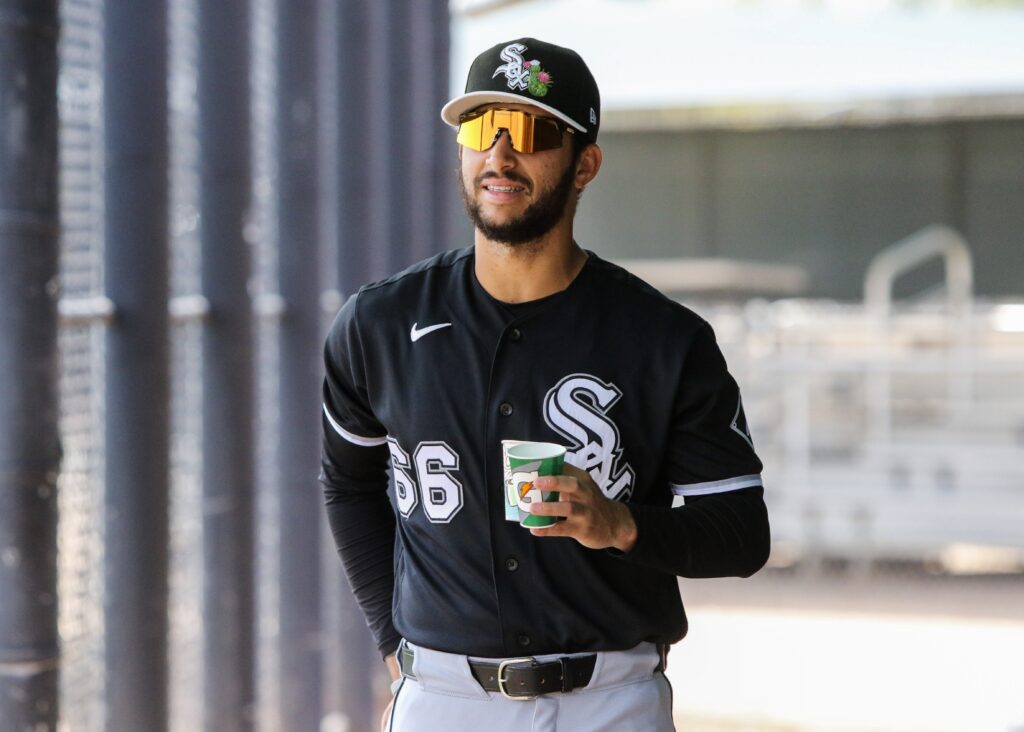
27. Jose Mendoza, C, (New)
- Signed out of Venezuela in 2025
The White Sox signed Mendoza out of Venezuela in 2025, and he impressed right away in the Dominican Summer League. Sox officials believe he could emerge as the top defensive catcher in the system, and the 18-year-old posted a 116 wRC+ last year while hitting .333/.410/.407. He received high praise for his work on the back fields at Camelback Ranch this spring, and the 6-3, 210-pounder consistently showed all fields power with his right-handed swing. He’s expected to split time behind the dish with Landon Hodge in the Arizona Complex League this season.
28. Matthew Boughton, SS, (New)
- Drafted 11th round in 2025
Boughton is a longer-term development play with an athletic foundation that gives him multiple paths to value. He signed for just under $200K out of the 2025 class and enters pro ball as a strong defender with real speed. He can handle shortstop now and can move around the field as needed. The offensive side is still developing and will need to adjust against better pitching, but there is room for growth as he continues to add strength to his frame. He has already started to draw attention from national outlets as an early sleeper, and the underlying tools give the organization something to build on. Boughton fits as a projection-based profile whose long-term outlook will be determined by how much the bat develops.
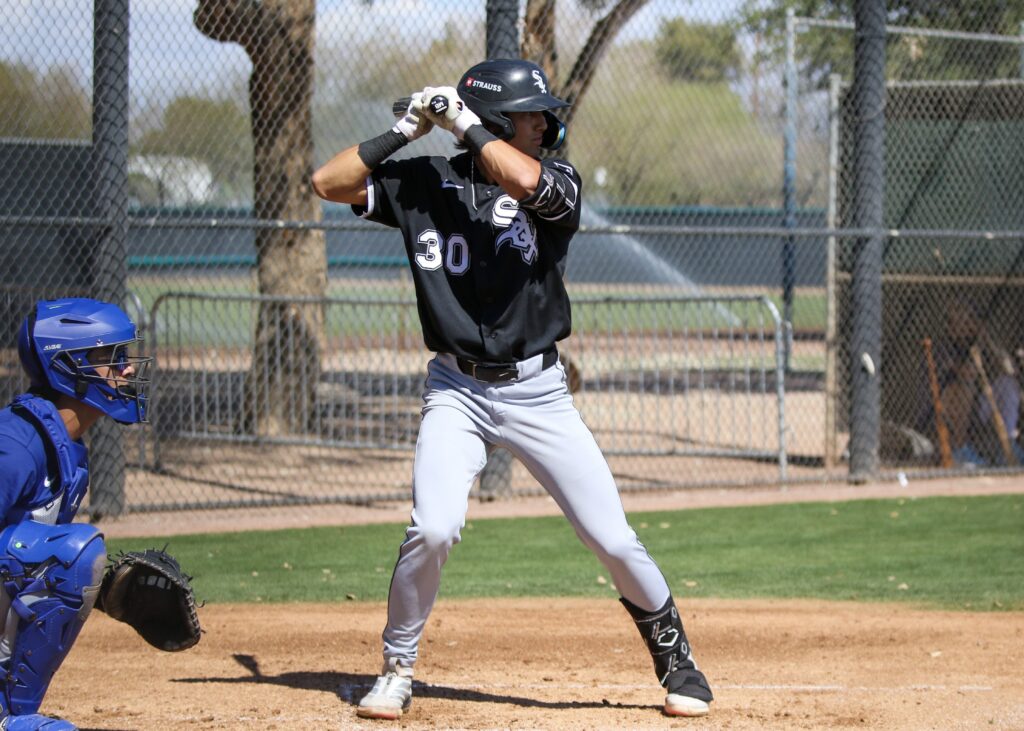
29. Yobal Rodriguez, RHP, (New)
- Signed out of Cuba in 2025
Turning 18 this season, Rodriguez is still in the early stages of his development, but he showed enough in his professional debut to stand out among the organization’s younger arms. The right-hander opened his career with 18.2 consecutive scoreless innings in the Dominican Summer League, flashing a feel for pitching and the ability to miss bats, though his workload was limited as he only worked into the fourth inning twice. The $230K signing from the 2025 international class operates with a fastball that has reached the low 90’s and should continue to gain velocity as his frame fills out, while his changeup already shows advanced traits for his age and projects as a potential out pitch. A breaking ball is still developing, and overall consistency will need to follow as he builds experience. With a small sample but encouraging underlying traits, Rodriguez is a long-term development arm who could begin his stateside progression in 2026.
30. Colby Shelton, 2B, (Previous: 23; -7)
- Signed 6th round in 2025
Shelton enters 2026 as one of the more difficult evaluations in the system after an underwhelming introduction to pro ball. The left-handed hitter built his reputation on producing against SEC pitching and later showed an adjusted, more contact-oriented approach in his draft year, but neither version fully translated during his time in Low-A. While the overall results were poor in a limited sample, the bigger concern was the lack of consistent hard contact and difficulty handling velocity, which will need to improve as he faces better pitching. There is still some offensive upside here if he can combine his strength-based power with improved swing decisions, but the profile will ultimately be driven by how much impact he can generate at the plate. Defensively, he projects to move around the infield with second or third base as the most likely long-term fits, placing additional pressure on the bat. Shelton is expected to return to A-ball, with a chance to move up if the offensive adjustments begin to take hold.